My Way: how founders make entrepreneurship look easier than it is
“Is this real life, or is this complete and utter fantasy” (Me reviewing my old pitch decks, looking at new ones, also Queen)
When I started my first company, I was a fully paid-up member of the Frank Sinatra School (FSS) of startup. I just didn’t know it yet. It’s one of the terms I lean on to call out bullshit. It’s useful, as a coping strategy, for when I meet founders who remind me of me.
The term is reserved for those entrepreneurs who love singing about how they “did it myyy waaaaay” (most of them, including me). That description is usually enough to trigger anyone who’s watched a few entrepreneurship panel discussions to tense up and go ‘ahh, yes’.
An FSS entrepreneur is someone who is happy to pontificate about the joys, benefits and wonders of entrepreneurship and their experience of it. It’s the shiny persona, a polished veneer of entrepreneurship, and it usually comes from a few different places: those who are right at the start of their journey, those who got lucky, those who forgot, or those who have never actually done it. The term isn’t mine, it comes from a wonderful entrepreneur/educator/researcher called Shailendra Vyakarnam (Shai), who’s been helping people build companies since before… well, he was the person who saw my first ever pitch deck, when I was a member of the FSS myself.
Like most entrepreneurs, I've been a guilty member of this club from when I started my first company to the odd time now and again when I talk about my successes and forget to give the context of all the fuck-ups and difficult detail. Or refuse to relive it. It’s the essential context that contains useful truths.
At the start it’s an easy trap to fall into through insecurity or over-confidence. When I started I was the insecure type: I was anxious to paint a confident and successful picture of myself and what I was building. I wanted people to join me, to invest in me, to think what I was doing was worthwhile. On the inside I was panicking, stressed and felt completely out of my depth. I tried to paint a utopia. I tried to fake it until I made it. I tried to create the picture-perfect tech company, be the ideal entrepreneur, a creation that just about survived a stiff breeze let alone a close inspection or long contact with reality. What really happened is that I faked it until I broke. Looking back now, I must have looked like a fucking idiot to any experienced entrepreneur.
Eventually, after many punishing years, I got a successful exit. Then I’d occasionally fall into the second FSS trap: to look back and say it was great when it wasn’t. I did it my way, it was great, I was great, the business was a great success. I’d conveniently forget ‘the shit’ – the soul-crushing stress pit of despair most entrepreneurs have been through, the avoidable fuckups, life. The bit that’s really important to talk about, because people can learn from it. The bit we hid most of the time because it’s not part of an image you’d choose to project and because it’s deeply unpleasant to relive.
Those who got lucky, or never actually did it, can talk all they want about entrepreneurship without one iota of self-doubt. For them the picture they’re painting is a clear, honest, exciting exposition of a great career. Not one filled with existential dread of their own identity mixed up with an uncertain commercial entity whose failure you can come face to face with on a regular basis.
Early-stage entrepreneurs, especially those pumped full of cash by a VC, can be none the wiser. No one tells them that the easy bit they have now is not how it will be when they hit a bump in the road. Cue a bump and a founder utterly unprepared for the difficulties ahead of them. Especially if they only listened to fellow FSS members. They’ve avoided reality, and in doing so rolled up all their small fuckups into one big unavoidable fuckup.
Ok, so far so grim. My point really is that it’s difficult to learn from listening to FSS entrepreneurs. And that it’s very easy to be one. You’re directly incentivised to be one. So the FSS shorthand is a useful label. And yes, it is a criticism but one I aim at myself first as much as others.
Listening to someone wax lyrical about how they did it ‘My Way’ grates like nails on a chalkboard. This matters a lot for first-time founders who are experiencing challenges that no Frank Sinatra entrepreneur sings about. This isolation can feel crippling, can trick you into doing things for the wrong reasons, and can stop you building yourself and your business how you want. Calling it out helps. Knowing the difficulties helps.
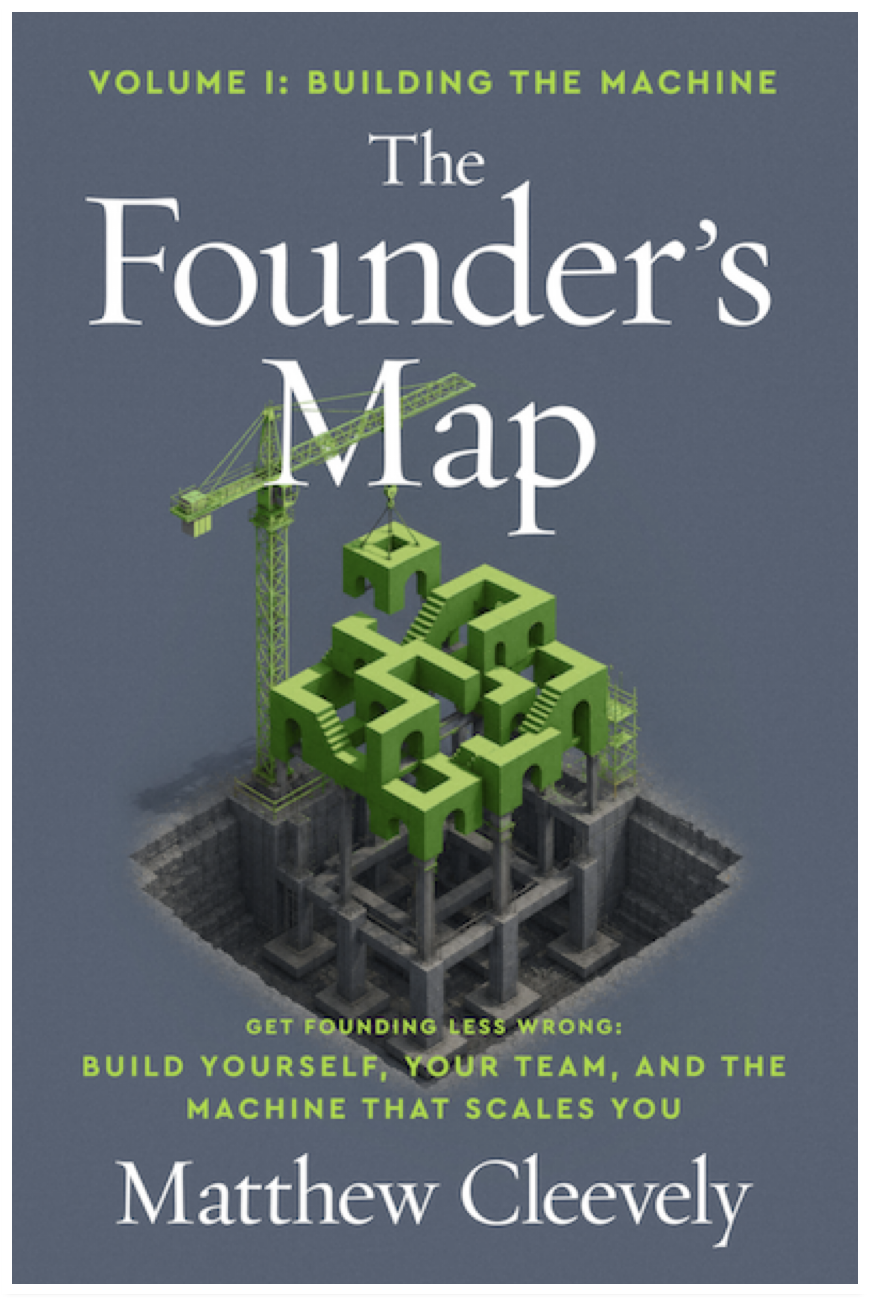
Nowadays I tend to switch off whenever I hear someone talk about how they made great decisions, worked hard, and got through. You can only learn so much from someone who’s trying to get you to think they’re amazing. When I tried to work out what I would actually have listened to when I started, it wasn’t the Frank Sinatra School that encouraged me to be my own karaoke startup*. It was humanising failures, mistakes and difficulties that I could learn from. Or what a founder did to encourage lucky outcomes, not how lucky they were. Anything that showed what really went on, didn’t paint the author in a heroic light, and helped me cope with the stressful reality I was actually in. So I tried to write exactly that book: the under-the-hood version, author not in a heroic light. One of my favourite quotes from one of my advance reviewers: “This is a book for founders the humans, not founders the shiny persona.” Emmi Nicholl, CEO, Cambridge Angels.
Next time: the other side of the bullshitting coin – Cargo Cult.
*To be clear, I love karaoke and have a pact with several founders I mentor that when their companies succeed we co-found a karaoke bar.
“Every founder needs a thoughtful, witty and authentic voice of entrepreneurial experience echoing through their mind — preferably not their own — reminding them it’s possible, especially when the ‘oh shit’ moments happen. Let that be Matthew.”
- Sarah Broderick, Entrepreneur